

Every year, we ask readers about how and why they read. It’s one of our favorite projects, because it gives us a direct line into the hearts and habits of the people who keep the reading world turning.
This year, 3,589 readers from our Written Word Media audience responded to our call, sharing how they read, where they discover new books, what makes them hit “buy,” and what they want from the authors they love.These are active, engaged book lovers — the kind who always have a title queued up on their Kindle (or two), a library hold pending, and a growing stack of paperbacks on their nightstand.
We asked them everything:
- Why they read
- How they read
- Where they find new books
- How much they spend
- And what they really want from authors
Our goal? To help you, the author, better connect with your readers. Whether you’re launching your first novel or plotting out your next promo stack, this data gives you the inside scoop on what readers want in 2026.
Like all surveys, this is self-reported data, and it reflects the behaviors and preferences of our reader audience specifically — which tends to skew toward active digital readers who download free and discounted books, often through our email promos.
So let’s dig into the trends, surprises, and takeaways that can help guide your next chapter.
TL;DR — Key Takeaways for Authors in 2026
Before we dive into the chapters, here’s the quick version of what we learned:
- Readers are voracious, with a third reading over 100 books a year
- Email newsletters are a top discovery channel, beating social media and even bookstores
- Price sensitivity is high — most readers spend under $5 per book
- Human connection matters — from narration to newsletters, authenticity is key
- Readers want to support indie authors, but it’s up to you to make it easy
🎧 Want to hear us talk through the data?
Listen to our full breakdown on the Written Word Media Podcast where Ferol and Ricci dive into the survey results, share favorite reader quotes, and talk trends that matter to authors.
Let’s dive in!
Table of Contents
- Why People Read in 2026
- How Much Readers Read — and Spend
- How Readers Read: Formats and Preferences
- The Audiobook Angle: Libraries, Subscriptions, and AI Preferences
- How Readers Discover Books
- What Readers Think About AI, Enhanced Editions, and Buying Direct
- Reviews, Tracking, and Reader Engagement
- What Readers Want From Authors
- FAQ: What Authors Ask About Reader Behavior
- Key Takeaways and Action Steps for Authors
Why People Read in 2026: Escape, Relaxation, and Emotional Payoff
In a world full of distractions, reading continues to hold a special kind of magic. It’s one of the few activities that invites us to slow down, tune in, and lose ourselves in someone else’s story — or sometimes, find ourselves in it.
When we asked readers why they read, the top answers weren’t surprising, but they were deeply affirming:
- To relax (86%)
- To be entertained (83%)
- To escape (67%)
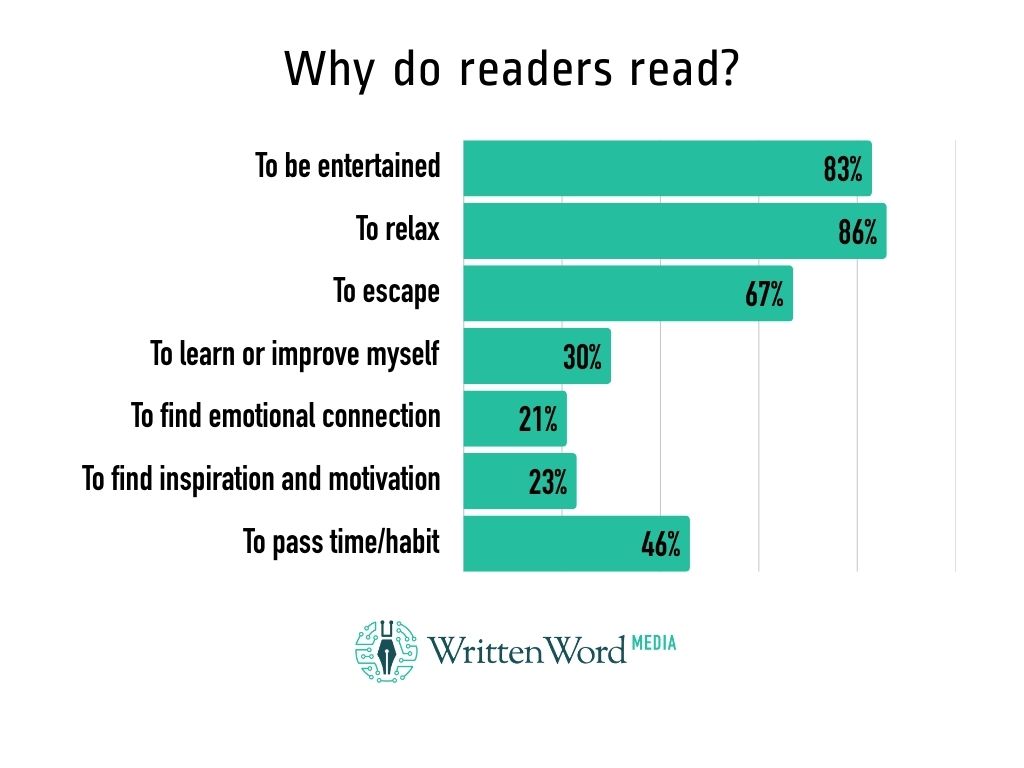
Reading, at its core, is still about feeling something. It’s comfort. It’s joy. It’s adventure, curiosity, catharsis, connection. For many, it’s a ritual — a wind-down at the end of the day, or a few stolen minutes between errands. And while some readers are driven by personal growth or learning (30%), the emotional experience of a book remains the driving force.
One reader wrote, “Reading is like breathing to me — I need it every day.” That level of connection came through again and again. For many, books aren’t just stories — they’re lifelines.
📌 Author Tip: Focus on the feeling your book delivers. Readers are choosing their next read not just by genre or plot — but by how they want to feel. Are you offering them a laugh, a thrill, a swoony romance, a quiet cry? Your book description, promo copy, and even your title and cover should communicate the emotional promise of the story. Readers aren’t just picking up a book — they’re reaching for a feeling. Make it easy for them to say, “Yes, that’s exactly what I need right now.”
How Much Readers Read — and How Much They Spend
When we say readers read a lot — we’re not exaggerating.
More than 1 in 3 respondents read over 100 books in 2025. That’s roughly two books per week. These aren’t just casual browsers; they’re literary powerhouses.
So, how much are these readers spending on their habit?
- Median monthly spend on books: $15
- Average monthly spend: $29.56
- Majority spend under $5 per eBook (these readers love supporting indie authors, whose ebooks tend to fall under $5)
- 26% use Kindle Unlimited, and 25% prefer to download free books
That means just over a quarter of readers in this survey are actively subscribed to Kindle Unlimited (KU). While most respondents aren’t in KU, those who are tend to be high-volume readers looking to discover new authors.
So, we’re looking at highly engaged, high-volume readers who are willing to spend money each month on books. They’re strategic about where they spend, and they love value. Here’s the good news for authors: over 80% of readers said they’re extremely likely to read more books by an author they enjoy. That means if you hook them once — with a first-in-series, a free promo, or a strong standalone — they’ll come back for more.
📌 Author Tip: Promotional pricing — including free and $0.99 books — remains a smart tactic for discovery and readthrough. Consider using our Freebooksy or Bargain Booksy email promotions to meet readers where they’re at: hungry for books, and wanting to support indies who price in their range. And if your book is in Kindle Unlimited? Promos work there, too. A strong feature can boost visibility and drive not just sales, but KENP pages, helping you maximize revenue through KU as well.
How Readers Read: Formats and Preferences
When it comes to how readers are consuming books in 2026, digital leads the pack — but it’s far from a one-format world.
We asked readers to select all the ways they typically read, and here’s what we found:
- 61% use a dedicated eReader (like Kindle or Kobo)
- 33% read eBooks on a tablet
- 30% read eBooks on a phone
- 51% read physical books — including both paperback and hardcover
- 22% listen to audiobooks
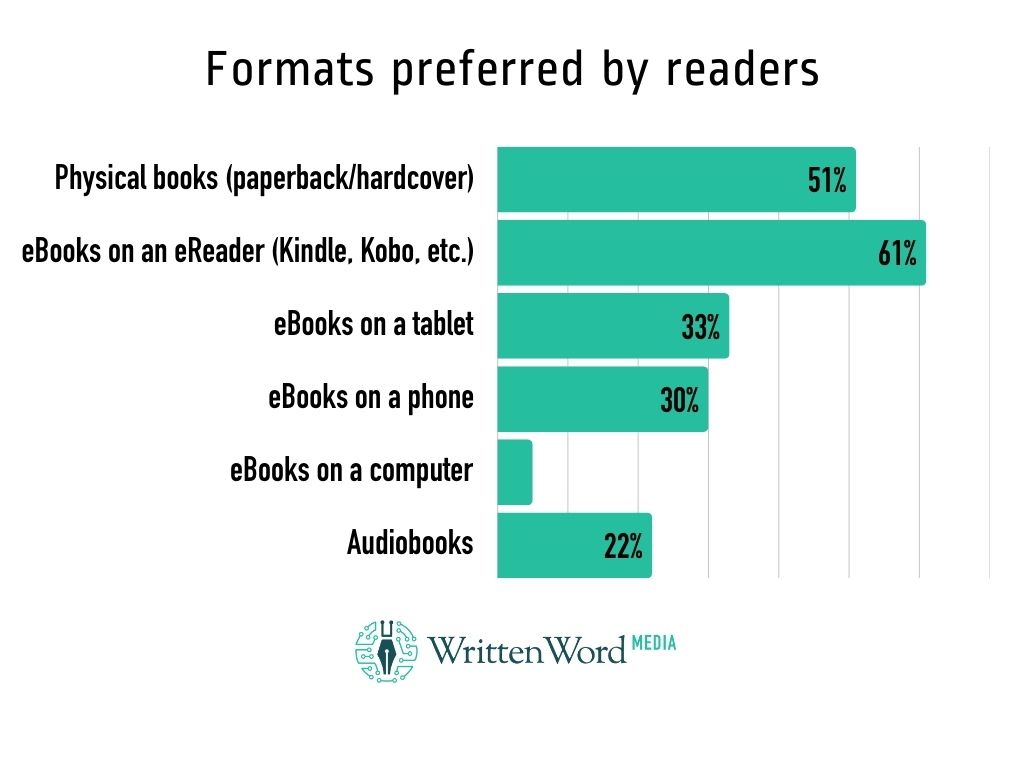
Altogether, a full 76% of readers regularly read eBooks, whether on a dedicated device or via apps on their phone or tablet. That’s a strong signal that digital reading is the dominant format — but it’s important to note that half of readers are still reading in print, too.
In other words: most readers aren’t exclusive. They mix and match depending on the moment. A Kindle or app for travel, a hardcover for quiet evenings, an audiobook for chores or commuting.
As for audiobooks, it’s worth noting that this data reflects responses from readers in our eBook-focused audience. While 1 in 5 respondents said they listen to audiobooks, we expect that number to be higher among audiobook-first readers. We’ll be running a separate survey of our AudioThicket audience this year to get a deeper look at audiobook behavior — stay tuned for that!
📌 Author Tip: If you want to reach more readers, meet them where they are — across formats. Offering your book in both eBook and print (paperback or hardcover) adds credibility, accessibility, and flexibility. For eBooks, formatting matters — especially if you’re wide. Make sure your book looks great not just on Kindle, but on tablets and phones, too. If you’re considering audio, know that even readers who primarily read eBooks are dipping into audiobooks — and that number is likely even higher in the broader market.
The Audiobook Angle: Libraries, Subscriptions, and AI Preferences
Audiobooks continue to grow in popularity, but the way readers access them tells a deeper story about value, convenience, and cost sensitivity.
- 51% borrow audiobooks through Libby or Hoopla
- 48% have an Audible subscription
- 26% use Chirp for discounted titles
- 36% buy audiobooks through Amazon
- Only ~10% use Spotify, Apple, or Google Play
The takeaway? Subscriptions and libraries dominate. Many readers are listening via services that reduce or eliminate per-title costs, like Audible memberships or library apps. This allows them to try more books — and more authors — without worrying about racking up individual purchases.
But here’s something worth noting: after subscriptions and libraries, the next largest group of audiobook listeners said that price isn’t a deciding factor at all. That’s right — over 12% of respondents said they’re not influenced by price when choosing an audiobook.
This suggests there’s a meaningful segment of the audiobook audience who prioritize narrator, content, or convenience over cost — and are willing to pay for the experience they want.
And when it comes to how those audiobooks are narrated?
A resounding 80%+ prefer human narrators. Less than 1% strongly prefer AI voices.
📌 Author Tip: AI narration is becoming increasingly popular among indie authors — and for good reason. It’s faster and more affordable than full human narration, making it a tempting option for expanding into audio. But based on our data, most readers aren’t quite sold on it yet: over 80% said they still prefer human narrators.
That doesn’t mean AI is off the table — far from it. As the tech improves, reader preferences may shift. Think of AI narration as the standard edition and human narration as the collector’s item. Both have value, but they offer different experiences. If you’ve invested in professional narration, let readers know — it’s a premium experience they care about.
And don’t overlook library access. Platforms like OverDrive and Hoopla are popular among audiobook listeners. Making your audiobooks available there can help you reach readers who prefer to borrow over buy.
How Readers Discover Books in 2026
Discovery is where marketing meets magic. And while the landscape is always evolving, one thing is clear: email is still a discovery powerhouse — especially among engaged, high-volume readers.
Here’s how our surveyed readers said they most often find new books:
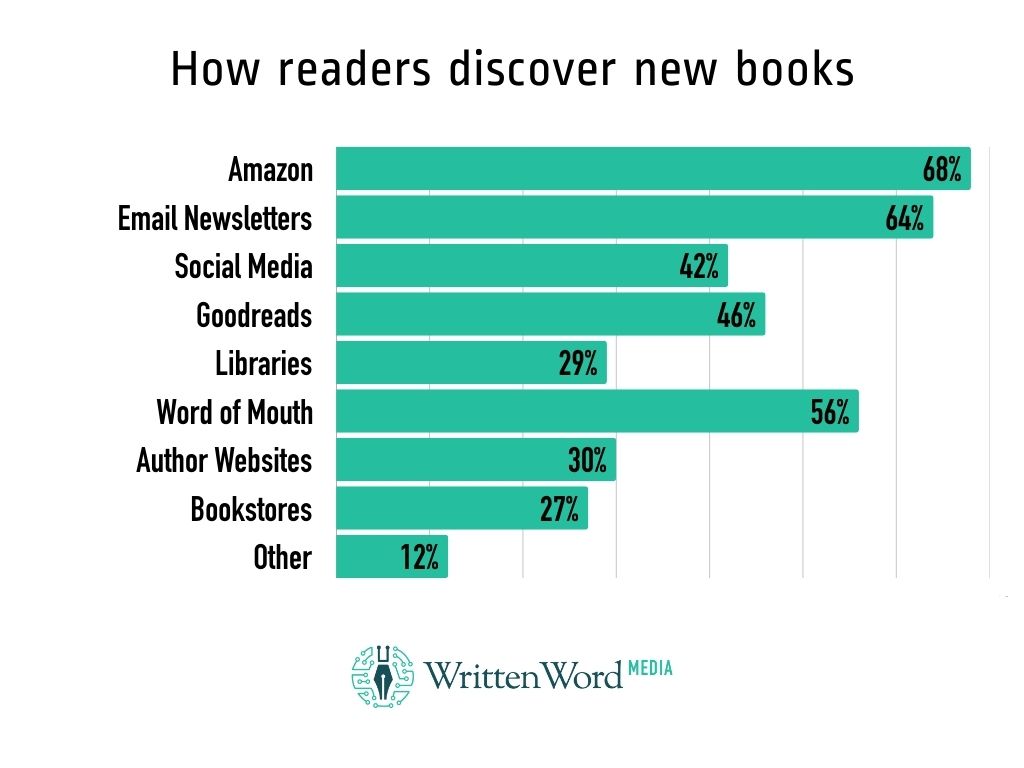
- Amazon: 68%
- Email newsletters (e.g., Freebooksy): 64%
- Goodreads: 46%
- Friends and family: 45%
- Social media (Facebook, Instagram, TikTok, influencers): 42%
- Libraries (Libby, Hoopla, in-person): 29%
- Author websites: 30%
- Bookstores: 27%
- AI tools (ChatGPT, Gemini, etc.): <1%
It’s important to note that our survey respondents are part of the Written Word Media reader audience — meaning they’re already subscribed to one or more of our email newsletters.
That said, the data still speaks volumes. These are active, engaged readers — and email remains one of the most consistent, scalable ways to put a book in front of them. It’s a high-intent channel that performs especially well when paired with strong pricing and compelling copy.
At the same time, social media plays a meaningful role in book discovery — especially when you look at the cumulative impact of platforms like Facebook, Instagram, and TikTok. For authors building an audience, it’s a powerful tool for visibility, connection, and long-term brand building.
📌 Author Tip: Meet readers where they’re looking. For high-intent discovery, email newsletters like Freebooksy and Bargain Booksy still offer unmatched ROI. But discovery shouldn’t be a one-channel strategy. Layer in Reader Reach Ads on Facebook or Amazon to expand your reach, test messaging, and amplify your promos. And if you’re building a presence on social media, make sure your bio and posts lead readers somewhere — like your email list or product page — where they can take the next step.
Sentiment on AI, Enhanced Editions, and Direct Sales
As technology continues to shape the publishing landscape, we asked readers how they feel about a few emerging trends: AI tools, enhanced editions, and direct-to-reader sales.
AI Tools for Discovery and Narration
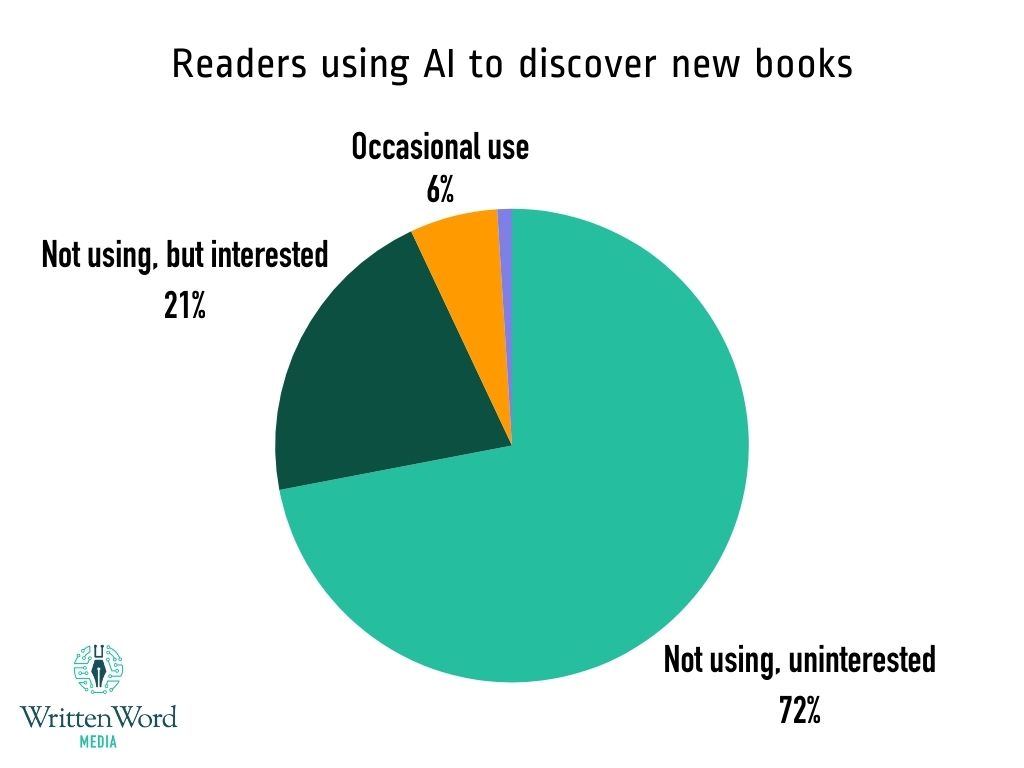
Despite the growing buzz around AI in publishing, most readers haven’t jumped on board — at least not yet.
- 71% said they don’t use AI tools like ChatGPT or Gemini to find or research books
- 21% said they were interested but haven’t tried them
- Only 7% use AI tools occasionally
- Less than 1% use them regularly
Enhanced Editions: A Growing Opportunity for Author Superfans
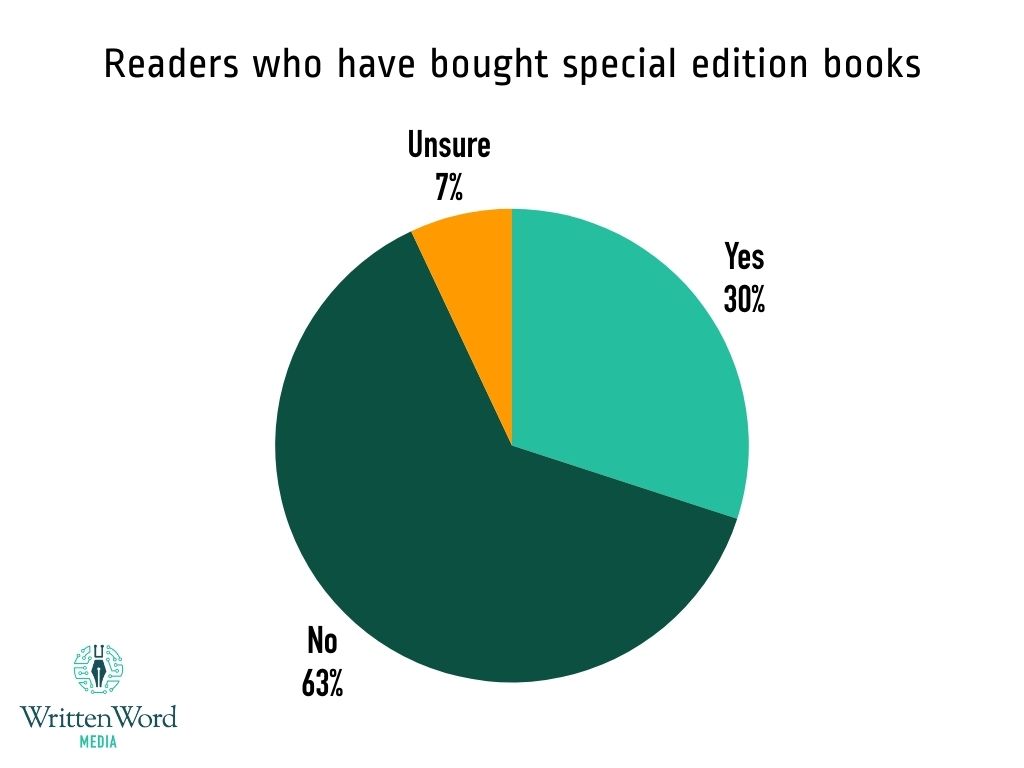
We asked readers if they’ve ever purchased a “special edition” — a collectible version of a book with premium treatments like sprayed edges, foil covers, or bonus content. And the results were encouraging:
- 30% said yes — that’s over 750 readers who have already purchased a special edition
- Another 7% weren’t sure, suggesting even more readers may have bought enhanced books without labeling them as such
- 23% said they’d be open to paying more for enhanced editions that include things like bonus content, author commentary, or early access
That’s a powerful takeaway: a sizable portion of readers are already spending more to support the authors and stories they love. These aren’t casual buyers — they’re fans who want to own something tangible and unique.
Much like vinyl in the music industry, special editions signal fandom, not function. They’re about collecting, connecting, and showing support — especially for indie authors. Whether it’s a Kickstarter-exclusive hardcover, a signed paperback, or a digital edition with exclusive chapters, these enhanced offerings give readers a way to go beyond the basic eBook.
The appetite is there — and growing. If you have a loyal reader base, test the waters with a small run of enhanced editions or bundle premium content for your superfans. You might be surprised how many readers are ready to say yes.
Buying Direct from Authors
Selling books directly from your website is an increasingly popular strategy — especially as tools like Shopify, BookFunnel, and Payhip make it easier than ever to set up shop. So we asked readers how they feel about buying direct.
- 56% said they have no preference — they just want the book
- 35% prefer to buy from major retailers like Amazon or Apple
- Only 9% actively prefer to buy direct from authors
The takeaway? Most readers aren’t opposed to buying direct — but they won’t go out of their way to do it. Convenience is still king.
That said, while only 9% prefer to buy direct, the majority of readers said they’re open to it — and 28% rated supporting indie authors a perfect 10 in importance. They just need to know it helps. Be clear in your messaging.
📌 Author Tip: If you’re exploring direct sales, make the experience as smooth as possible. Use a trusted platform, minimize friction at checkout, and offer a compelling reason to buy from you — whether that’s signed copies, bonus content, exclusive bundles, or early access. For enhanced editions, consider testing the waters with a small, loyal segment of your audience before going all in.
Reviews, Tracking, and Reader Engagement
You’ve probably heard it before: reviews sell books. But how often do readers actually leave them?
- 22% leave reviews often
- 30% do so sometimes
- 17% never leave reviews at all
Meanwhile, over 50% of readers actively track their reading, mostly via Goodreads, Kindle, or even old-school handwritten logs.
📌 Author Tip: Make it easy for readers to leave a review — and remind them! Include a quick CTA in your back matter or email newsletter. And make sure your Goodreads and Amazon Author Central pages are polished and current. Readers are watching, even if they’re not commenting.
What Readers Want From Authors
We asked: Do you want to know more about the authors you read?
A solid 59% said “it depends on the author or genre,” while 24% said yes outright.
Here’s what readers do want to know:
- Future projects (67%)
- Character/story insights (59%)
- Book/media/tool recs (59%)
- Author backstory (36%)
- Writing process (19%)
But where do they want to connect?
- Only 2% follow authors on TikTok
- 38% follow authors on Facebook
- 49% subscribe to author newsletters
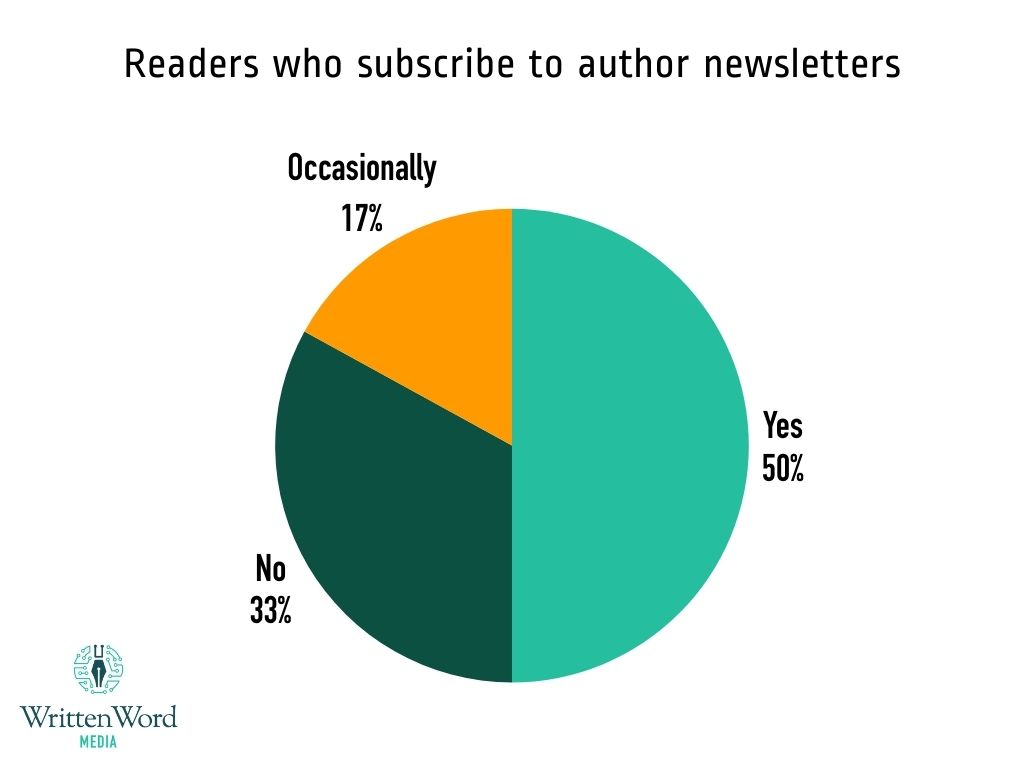
📌 Author Tip: Focus your energy where it matters — your email list. Share sneak peeks, reading recs, character extras, or updates on your next release — it’s what readers want, and it’s where they’re most likely to engage. Need help building your email list? Check out our Subscriber Surge Giveaways.
FAQ: What Authors Ask About Reader Behavior
How many books do readers typically read in a year?
According to our 2026 Reader Survey, more than 30% of readers read over 100 books a year. That’s nearly two books per week! The median number of books finished per month was six — showing that readers in our audience are highly engaged and often voracious.
What formats are most popular with readers?
eBooks are the most widely used format, with 76% of readers using an eReader, tablet, or phone to read digitally. That said, 51% still read physical books, and 22% listen to audiobooks, showing a strong mix of preferences. Most readers use more than one format depending on the context.
How do most readers discover new books?
The top discovery methods were:
- Amazon (68%)
- Email newsletters like Freebooksy (64%)
- Goodreads (46%)
- Friends and family (45%)
Social media platforms like TikTok and Instagram were used less often, but still play a role — especially in visibility and buzz.
Do readers care about AI-narrated audiobooks?
More than 80% of readers said they prefer human narration, and fewer than 1% said they prefer AI narration. That said, interest may shift as technology improves. Authors experimenting with AI narration might consider testing it on shorter works or offering it as an alternative format.
Will readers buy books directly from authors?
Some will — but it has to be easy. 56% of readers said they have no preference between retailers and author websites, but only 9% actively prefer buying direct. If you want to sell from your own site, focus on convenience and offer extras (like signed copies or bonus content) to incentivize the switch.
Where should I focus my marketing efforts in 2026?
Our data suggests that email marketing remains the most effective way to reach high-intent readers. Promo tools like Freebooksy and Bargain Booksy consistently drive discovery and downloads. Pairing these with ads or a strong email list of your own can create an effective, multi-channel strategy.
Final Takeaways: What These Reader Trends Mean for Authors
If there’s one overarching message from this year’s survey, it’s this:
Readers are ready — but they’re selective.
They’re reading more than ever, but they’re thoughtful about where they spend, how they discover books, and what kind of experiences keep them coming back. They gravitate toward stories that deliver emotional payoff, authors who understand their preferences, and reading experiences that feel smooth, satisfying, and intentional.
✨ Authors who succeed in 2026 will be those who:
- Prioritize discoverability through email promos and ads
- Price their books with intention, especially for new or unknown titles
- Make their work available across formats — eBook, print, and audio
- Use email to build direct, meaningful relationships with their audience
- Honor the reader’s time, habits, and expectations with thoughtful presentation and value
Your Next Chapter Starts Here
Ready to meet readers where they are?
→ Schedule a Promo with Freebooksy, Bargain Booksy, Red Feather Romance, Audio Thicket or NewInBooks.
→ Want to build your email list? Check out Subscriber Surge Giveaways.
Let’s Talk: What Surprised You?
Did this data change your thinking? Are you planning any new strategies in 2026? Drop a comment below — we love hearing how authors apply this insight.
Happy writing! ✍️
Your data says that free and 99 cents are good for discoverability, but your data also shows that 24% prefer free or discounted books. I’d be curious to know how many people discover authors with discounted or free books and then go on to buy at the regular price? Do free and discounted books lead to the reader buying more books from that author?
As with all these surveys, I’d love to get my hands on the anonymized data set so I could ask questions like:
– Does price sensitivity correlate with number of books read? In other words, do people who only read 10 books a year have the same price sensitivity as those who read 100?
– How does the price sensitivity break down by genre? Are readers of mysteries less or more sensitive than fantasy readers?
– How does number of books read per year break down by genre?
Data that’s aggregate across genres like this makes for interesting reading, but is of little use in terms of being able to make decisions.
I’d be curious how often these frequent readers/buyers are posting reviews in a single year and where they post reviews.
Just curious: In the “what readers want from authors” section, what are “tool recs”? Thanks! Great survey, by the way.